Slow Replies Kill Messaging Campaign Sales
Getting messages from your ads but no sales? Slow replies cool buyers and hand them to competitors. Learn how to fix it with a simple reply system.
The AA SOCIALMEDIA team · · 6 min read
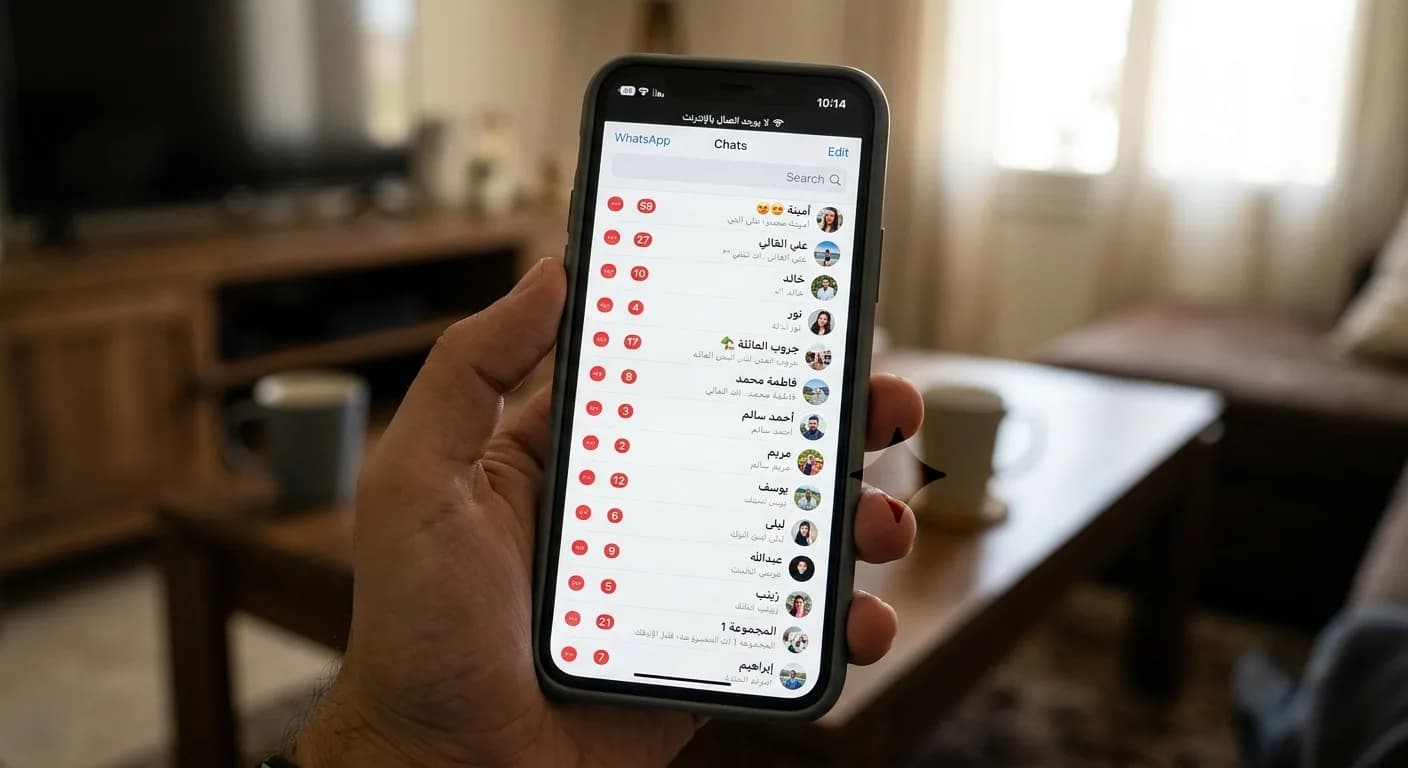
Messaging Ads but No Sales? Slow Replies Are the Reason Nobody Checks The most common reason messaging ads bring in conversations but not sales isn't the ad. It's the time between a message arriving and the first reply. A customer messages you at the peak of their interest, and every minute of delay cools that interest and sends them back to scrolling, where a competitor who replies right away closes the sale. That's why fixing any messaging campaign starts with measuring response time, not changing the ad. Why do messaging campaigns get messages but no sales? A messaging campaign on WhatsApp, Messenger or Instagram has one job: get an interested person to message you. If the messages are coming in, the campaign did its job. The sale is won or lost after that, inside the conversation. Many business owners who come to us say their campaign failed because it didn't sell. When we review the conversations, the same story repeats: messages left unanswered for hours, a first reply that doesn't answer the question, or a follow-up that never happened. So they change the ad, the audience and the budget, and the real problem stays exactly where it was. What happens to a customer while you're slow to reply? In a 2011 Harvard Business Review study, The Short Life of Online Sales Leads, firms that contacted a prospect within an hour of their inquiry were nearly 7 times as likely to qualify the lead as firms that waited one hour longer, and more than 60 times as likely as those that waited 24 hours or more. The same research found the average response time among companies that replied was 42 hours. The Lead Response Management study, led by researcher James Oldroyd with InsideSales.com, found the odds of qualifying a lead were 21 times higher when contact was made within 5 minutes rather than 30. These studies looked at web forms and phone follow-up, not social media messages. In messaging, the logic is even stronger: the person is writing to you from inside an app built to keep them scrolling, and the next ad is one swipe away. How does a competitor get to your customer first? When someone engages with your ad and messages you, they are signalling that they're looking for something in your category right now. They don't stop scrolling while they wait. They keep going and see other posts and ads, including offers from the same category, because their interest in that kind of product is now clear from their behaviour. If they message a competitor and get a reply within two minutes, that competitor starts the conversation, answers the questions and sets the price in the customer's mind. By the time your reply lands three hours later, the customer has bought, been convinced, or forgotten they messaged you at all. You paid to bring the customer in, and your competitor got paid for the sale. How fast should you reply to messaging ads? According to HubSpot research, 82% of consumers rate an immediate response as important or very important when they have a sales or marketing question, and to them immediate means 10 minutes or less. We treat 5 minutes as the working target during ad hours and 10 minutes as the ceiling. There's a technical reason too if you use the WhatsApp Business Platform (via API or a CRM). When a customer messages you, a 24-hour customer service window opens from their last message, and you can reply with any free-form message. Once it closes, you can only reach them with a pre-approved template. A long delay can cost you even the option of a normal reply. How do you build a reply system that protects your ad budget?
- Run ads only when someone can reply. If your team works 10 am to 8 pm, there's no point paying for messages that arrive at 2 am and wait until morning. On Meta, ad scheduling requires a lifetime budget.
- Make the first reply useful, not polite. "Thanks for reaching out, we'll get back to you soon" doesn't move a sale. A good first reply answers the most frequent question (price, delivery, sizes) and asks one question that keeps the conversation going.
- Prepare answers to repeat questions. Review your last 50 conversations and write a clear answer for every question that keeps coming up, so the team never starts from zero.
- Name one person responsible. When messages are everyone's job, they're nobody's job. During a campaign, one person should know that replying is their first priority.
- Measure what matters. Cost per message isn't enough. Track first response time and the share of conversations that turn into sales, because those two numbers show where the budget is leaking.
- Follow up with people who didn't buy. A customer who asked but didn't decide deserves one useful follow-up the same day, before they go completely cold. What are the most common mistakes with messaging campaign replies? • Judging the campaign on sales alone without reading the conversations. • Running ads around the clock with a team that works half the day. • A generic auto-reply that answers nothing and only delays the problem. • Raising the budget to get more messages while current messages are still unanswered. Frequently asked questions Why do I get lots of messages from my ads but no sales? The most common cause is slow replies or a weak first reply, not the ad itself. A message means the campaign brought in an interested person; the sale is usually lost inside the conversation. What is the ideal response time for messaging ads? Within 5 minutes as a working target, 10 minutes at most. HubSpot research shows most consumers consider a reply within 10 minutes or less to be immediate. Is an auto-reply enough? A useful auto-reply stops the cooling in the first minutes, but it doesn't replace a person who answers the details and closes the sale. The best setup is an auto-reply that answers the most common question, followed quickly by someone from the team. What is WhatsApp's 24-hour window? On the WhatsApp Business Platform, when a customer messages you, a 24-hour window opens from their last message in which you can reply with free-form messages. After it closes, you can only contact them with a pre-approved template. How do I know if the problem is the ad or the replies? If cost per message is reasonable and the messages come from interested people, the ad is working. If few conversations turn into sales, review response time and conversation quality before changing anything in the ad. Next step Before AA SOCIALMEDIA judges any messaging campaign, we measure response time and the share of conversations that turn into sales, because only the numbers show whether the problem is the ad or the inbox. Get in touch and we'll review your campaign from that angle.